The Appalachian Mountains stretch over 2,400 kilometers across the eastern United States, covering distinct micro-regions from the ridges of Pennsylvania to the hollows of Tennessee and the lakeside valleys of North Carolina. Whether you're planning a road trip along the mountain corridor, visiting historic landmarks near Altoona, exploring the Chattanooga foothills in Georgia, or unwinding near Lake Lure, choosing the right base matters. This guide covers five concrete hotel options across key Appalachian gateways to help you book with confidence.
What It's Like Staying in the Appalachian Mountains
Staying in the Appalachian Mountains means choosing between distinctly different environments - small-town access points, lakeside resort areas, and highway corridors that connect major attractions. Car travel is essential here, as public transport is minimal or nonexistent across most of the mountain region. Crowds are highly seasonal, peaking during fall foliage (October) and summer weekends near lakes and trails, while weekday stays in shoulder months are noticeably quieter and often cheaper.
The region suits road-trippers, outdoor recreation travelers, history enthusiasts visiting landmarks like Horseshoe Curve or Lookout Mountain, and families seeking nature-focused breaks. Urban travelers expecting walkable city infrastructure will find most Appalachian towns require driving even for basic errands. Budget-conscious travelers benefit from the generally lower hotel pricing compared to major metro areas, with many quality options sitting well under the national average.
Pros:
- Access to iconic natural and historic landmarks across multiple states with a single road trip route
- Hotel pricing across the region runs around 40% below comparable accommodations in East Coast urban centers
- Low crowd density on weekdays and during spring shoulder season makes for a more relaxed experience
Cons:
- A personal vehicle is non-negotiable - no rideshare infrastructure in rural Appalachian towns
- Dining and shopping options near many hotels are limited to chain restaurants along highway exits
- Fall weekends drive occupancy spikes and last-minute bookings become difficult near popular trailheads
Why Choose These Hotels in the Appalachian Mountains
The hotels in this guide fall into the value and comfort segment - 2-star and select-service properties that prioritize practical amenities like free parking, indoor pools, and breakfast over luxury finishes. In an Appalachian context, this category makes strong sense: most visitors spend the majority of their time outdoors, hiking, fishing, or driving scenic byways, and don't need resort-level in-room experiences. Properties here typically offer larger rooms than comparable urban hotels at the same price point, reflecting the lower land costs of mountain-town locations.
The trade-off is limited on-site dining and evening entertainment - most of these hotels sit near highway corridors rather than town centers. However, for travelers using the hotel as a functional base rather than a destination in itself, the value-to-space ratio is strong. Free parking at every property in this selection removes a friction point that would cost significantly in any metro area.
Pros:
- Free private parking at all five properties - essential given car-dependent travel patterns in the region
- Indoor pools available at multiple properties, extending usability beyond warm-weather months
- Breakfast included or available at each hotel, reducing daily meal costs during multi-day mountain stays
Cons:
- Highway-adjacent locations mean ambient road noise is a real factor, especially in lighter rooms
- Limited walkability - guests must drive to reach most restaurants, grocery stores, and trailheads
- Décor and finishes reflect the budget-to-mid tier; travelers expecting boutique character will be disappointed
Practical Booking & Area Strategy for the Appalachian Mountains
The Appalachian Mountain corridor spans several distinct destination clusters, and where you stay should be driven by your itinerary anchor. Duncansville and Altoona in Pennsylvania suit travelers focused on the Horseshoe Curve National Historic Landmark and Railroaders Memorial Museum, both within 10 kilometers of central lodging. Ringgold, Georgia positions you within 18 kilometers of Chattanooga Metropolitan Airport and gives access to Lookout Mountain and the Tennessee Aquarium without paying Chattanooga city-center hotel rates. Crossville, Tennessee works well as a mid-trip stopping point on the I-40 corridor connecting the eastern and central Appalachian sections.
Lake Lure, North Carolina is the most scenic base in this selection and draws visitors to Chimney Rock State Park and the Blue Ridge Parkway. Book Lake Lure accommodations at least 6 weeks ahead for fall foliage season, when demand spikes sharply across western North Carolina. For Dayton, Tennessee, the Sleep Inn near Dayton South provides a practical overnight option for travelers moving between Chattanooga and the Smoky Mountains without the congestion of gateway towns like Gatlinburg. Across all locations, midweek arrivals consistently yield better rates and availability than weekend bookings.
Best Value Stays
These properties offer the strongest combination of practical amenities, highway access, and competitive pricing for travelers using the Appalachian Mountain corridor as a road-trip route.
-
1. Comfort Inn Duncansville - Altoona
Show on map


Just a few rooms left at the best rate!
fromUS$ 95
-
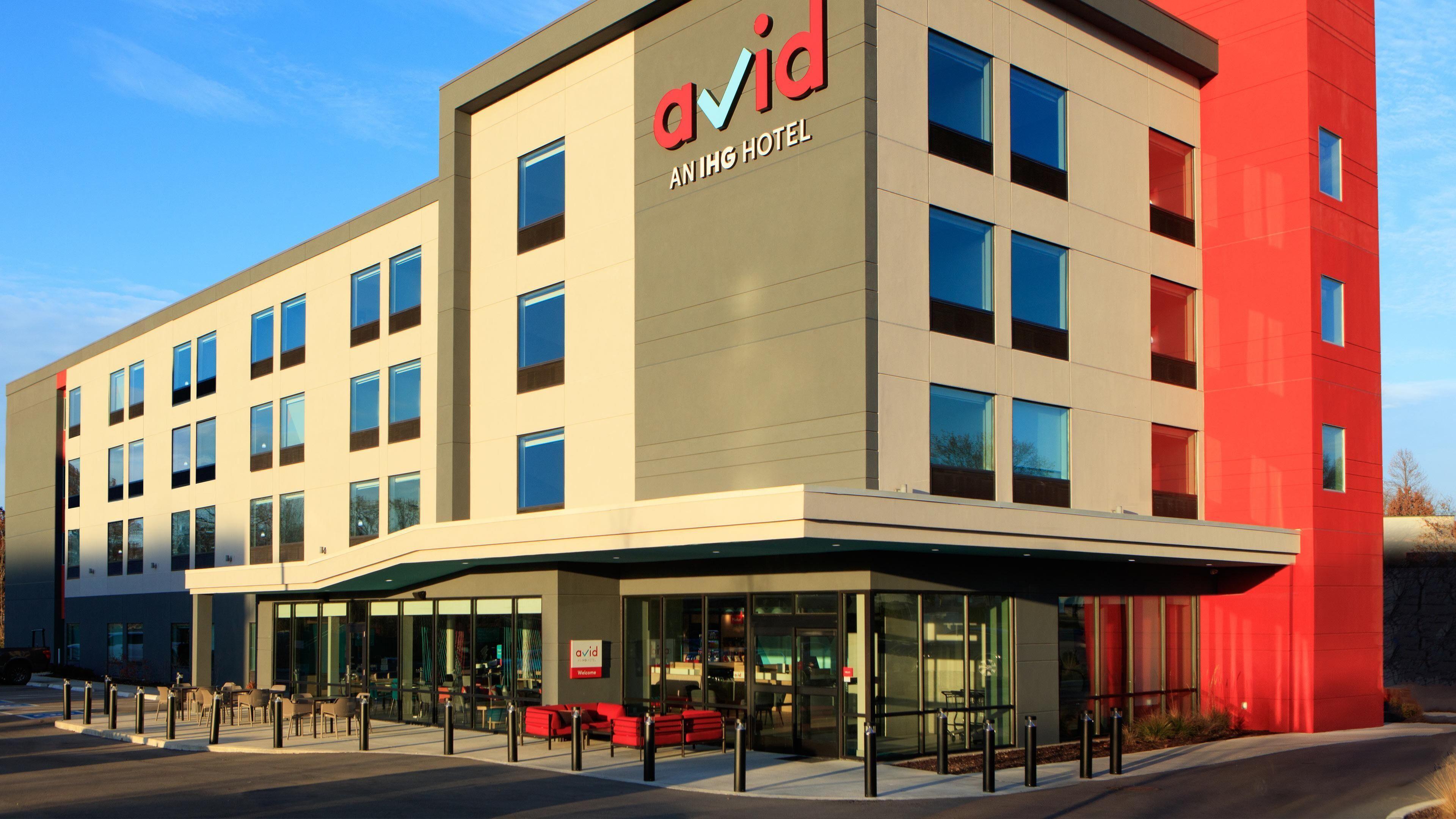
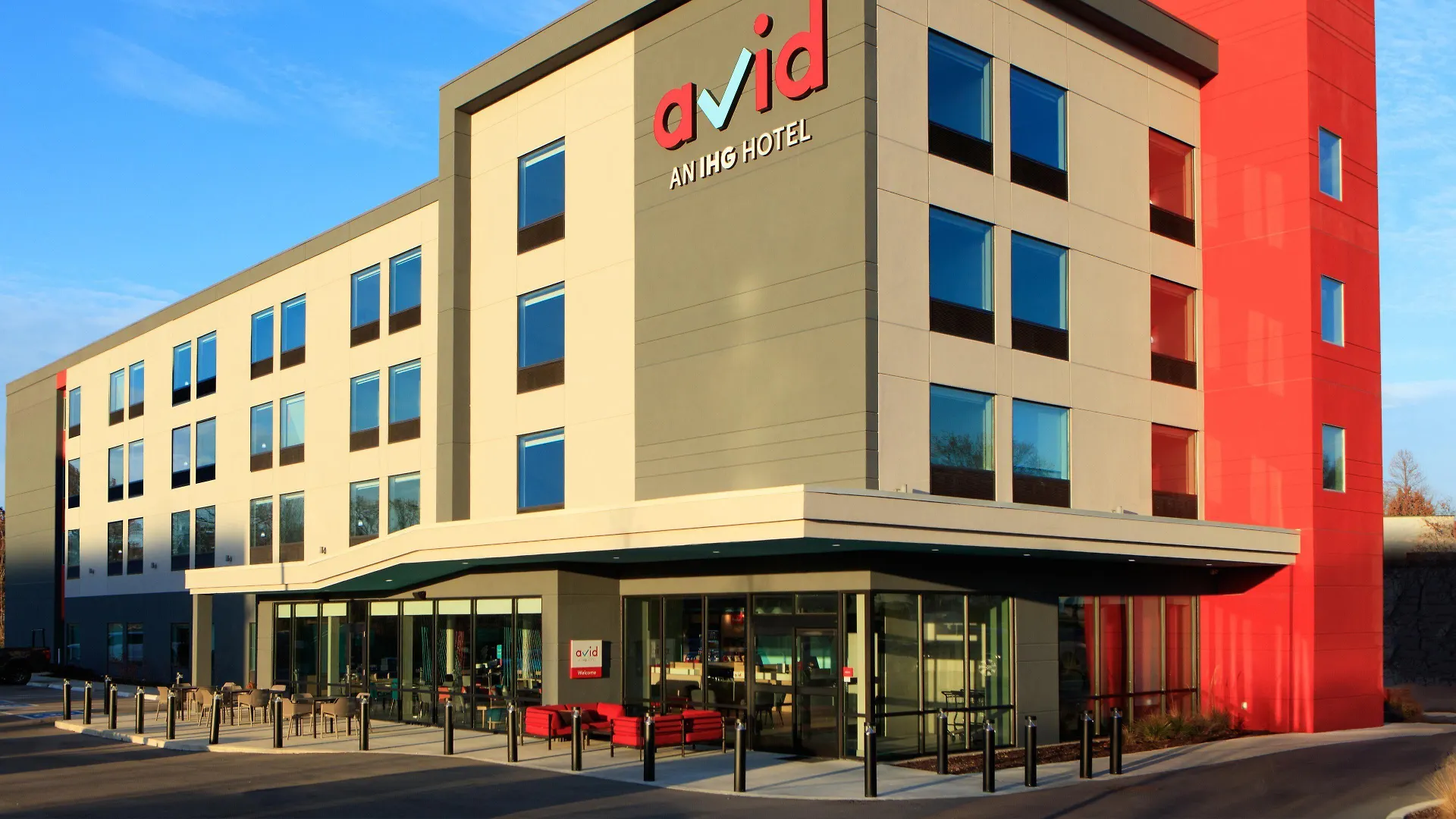
2. Avid Hotel Chattanooga South - Ringgold By Ihg
Show on map


Just a few rooms left at the best rate!
fromUS$ 94
-
3. Red Roof Inn Crossville
Show on map


Hurry – almost gone at this price!
fromUS$ 56
-
4. Sleep Inn & Suites Dayton South
Show on map


Hurry – almost gone at this price!
fromUS$ 95
Best Premium Stay
For travelers prioritizing mountain scenery, resort-style amenities, and a more immersive Appalachian experience, this property stands apart from the highway-corridor options in the selection.
-
5. Mountain Loft Resort - Lake Lure, Nc
Show on map


Rooms filling fast – secure the best rate!
fromUS$ 159
Smart Travel & Timing Advice for the Appalachian Mountains
The Appalachian Mountains have two clear demand peaks: fall foliage season (mid-October through early November) and summer weekends near lakes and state parks. October is the single busiest month across the entire corridor - rates at Lake Lure and Chattanooga-area properties climb sharply, and availability collapses within days of peak foliage forecasts. Spring (April-May) offers the best balance of mild weather, blooming trails, and lower pricing, particularly in Tennessee and Georgia gateway areas.
For the Pennsylvania cluster around Duncansville and Altoona, summer is busiest due to Lakemont Park and family travel patterns. Booking at least 4 weeks ahead for any October stay is non-negotiable across western North Carolina and southern Appalachian destinations. For highway-corridor properties like the Red Roof Inn Crossville or Sleep Inn Dayton, last-minute bookings are more viable outside peak weekends, but price savings from advance booking are modest. A minimum of 2 nights per base location allows meaningful exploration - rushing through in a single night wastes drive time and limits what you can actually see.