
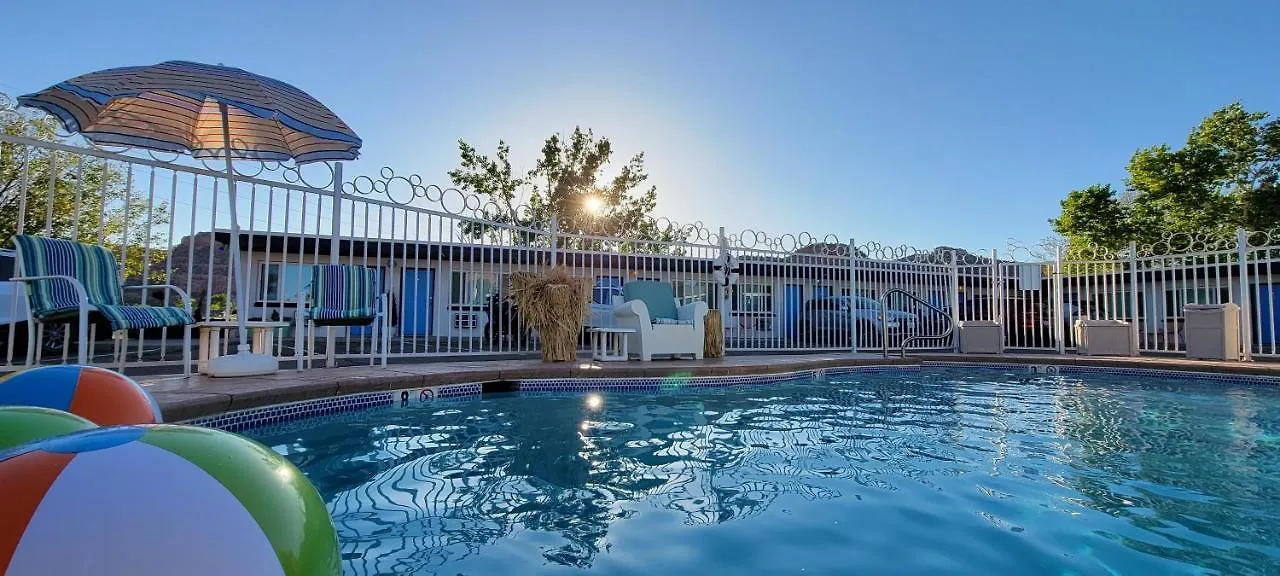
Utah's 4-star hotel scene spans dramatically different landscapes - from the red-rock canyon country near Kanab and Torrey to the ski resort corridors of Park City and the mountain valley towns of Midway and Nephi. This guide covers six verified 4-star properties across the state, comparing their locations, facilities, and practical value so you can book the right base for your Utah itinerary without second-guessing.
What It's Like Staying in Utah
Utah is one of the most geographically diverse states in the U.S., anchored by five national parks - Zion, Bryce Canyon, Arches, Canyonlands, and Capitol Reef - plus ski resorts like Park City that draw international visitors year-round. Distances between attractions are significant, so where you base yourself directly shapes what you can realistically do each day. Most travelers rent a car, as public transit between regions is limited outside Salt Lake City. The state sees peak crowds between March and October in canyon country, while ski towns like Park City surge from December through March. Utah's road infrastructure is well-maintained, but canyon-area towns like Kanab or Torrey function as small overnight hubs rather than urban destinations - plan meals and supplies accordingly.
Pros:
- Unmatched access to five national parks within a single road trip loop
- Diverse stay options from canyon-edge motels to ski resort lodges, all within a 4-star tier
- Most 4-star properties include free parking, critical given car-dependent travel throughout the state
Cons:
- Towns near national parks (Kanab, Torrey) have limited dining and nightlife options after 9 PM
- Driving times between regions can exceed 4 hours, making multi-park itineraries physically demanding
- Peak season hotel availability tightens dramatically - last-minute bookings in spring or ski season are high-risk
Why Choose 4-Star Hotels in Utah
In Utah, 4-star properties occupy a practical sweet spot - they consistently deliver amenities like pools, free parking, and climate control that matter in an outdoor-heavy destination where you're returning from a dusty trail or a ski slope. Unlike budget motels common in gateway towns, 4-star hotels in Utah typically include in-room kitchenettes or microwaves, which matters when dining options close early in rural areas. Prices at 4-star properties in Utah average around $150-$200 per night depending on season and location, sitting noticeably above basic lodging but well below luxury resort rates in Park City's high season. In canyon towns like Torrey or Kanab, 4-star properties are often the top accommodation tier available locally, making the comparison with budget options - rather than 5-star alternatives - the more relevant one. Room sizes at Utah's 4-star tier tend to be generous, frequently including separate seating areas, full or partial kitchens, and outdoor terraces that extend usable space beyond the room itself.
Pros:
- Free parking is standard across most 4-star Utah properties - essential given car-dependent travel
- In-room kitchenettes or microwaves reduce dependency on limited rural dining infrastructure
- Pool access (indoor or outdoor) is common at this tier, providing recovery amenity after high-exertion outdoor days
Cons:
- Spa and concierge services remain limited compared to urban 4-star hotels - Utah's version of 4-star is outdoor-oriented, not luxury-service-focused
- Some properties lack on-site restaurants, requiring advance meal planning in remote locations
- Park City 4-star apartments may require minimum-night stays during ski season, reducing booking flexibility
Practical Booking & Area Strategy
Utah's geography divides naturally into three traveler zones: the southern canyon corridor (Kanab, Torrey), the central pass-through (Nephi), and the northern mountain belt (Midway, Park City). Kanab positions you within driving distance of Zion, Bryce Canyon, and the North Rim of the Grand Canyon - making it the most strategically located base for multi-park itineraries. Torrey sits at the doorstep of Capitol Reef National Park, a less-crowded alternative that rewards hikers and cyclists. Midway and Park City are better suited for travelers combining ski access with cultural stops like the Kimball Art Center or Park City Museum, both reachable within around 30 km from Midway. Book at least 8 weeks ahead for spring and fall travel in canyon towns, where total accommodation inventory is small and fills rapidly. Nephi serves primarily as an efficient overnight stop on I-15 for travelers driving between Las Vegas and Salt Lake City, rather than a destination base.
Best Value Stays
These properties deliver reliable 4-star facilities at accessible price points, each positioned near key Utah attractions without premium resort pricing.
-
1. Quail Park Lodge
Show on map


 Check-infrom 15:00 until 23:59Check-outfrom 10:00 until 11:00
Just a few rooms left at the best rate!
fromUS$ 77
-
2. Motel 6-Nephi, Ut
Show on map


 Check-infrom 13:00 until 23:59Check-outuntil 11:00
Just a few rooms left at the best rate!
fromUS$ 55
-
3. Austin'S Chuckwagon Motel
Show on map


 Check-infrom 14:00 until 23:00Check-outfrom 10:00 until 11:00
Hurry – almost gone at this price!
fromUS$ 339
Best Premium Stays
These three properties offer elevated amenities, resort-style facilities, or unique positioning near Utah's mountain and ski destinations - suited for travelers prioritizing comfort and extended stays.
-
4. Cougar Ridge Resort
Show on map


 Check-infrom 15:00 until 20:00Check-outfrom 07:00 until 11:00
Hurry – almost gone at this price!
fromUS$ 643
-
5. Worldmark Midway
Show on map


 Check-infrom 16:00 until 23:00Check-outuntil 10:00
Rooms filling fast – secure the best rate!
fromUS$ 152
-
6. The Caledonian By All Seasons Resort Lodging
Show on map


 Check-infrom 16:00 until 23:59Check-outuntil 11:00
Rooms filling fast – secure the best rate!
fromUS$ 275
Smart Travel & Timing Advice for Utah
Utah's peak travel windows split cleanly by region. March through May and September through October are the optimal months for canyon country (Kanab, Torrey) - temperatures are manageable for hiking, crowds are lower than summer, and prices have not yet reached their peak. Summer months bring extreme heat in southern Utah, with canyon temperatures regularly exceeding 38°C, which limits midday outdoor activity significantly. Park City and Midway operate on a reverse pattern: December through March drives ski-season demand, pushing nightly rates at mountain properties sharply upward and reducing availability on short notice. For canyon-area hotels, booking around 8 weeks in advance during spring and fall shoulder seasons is a reliable strategy. A minimum of two nights in any single base makes logistical sense given Utah's driving distances - single-night stays rarely allow enough time to fully cover nearby national park highlights. Last-minute deals in canyon towns are uncommon due to limited total inventory; Park City offers slightly better flexibility outside peak ski weekends.


