Research Triangle - spanning Raleigh, Durham, and Chapel Hill - is one of the most intellectually dynamic metro regions in the American South, anchored by three major universities and a booming tech and biotech corridor. Whether you're visiting for a conference at NC State, a campus tour at UNC Chapel Hill, or business along the I-40 corridor, where you stay shapes your entire experience. This guide breaks down the best design-forward hotels across the Triangle's key sub-markets, from downtown Chapel Hill to the southern suburbs of Fuquay-Varina and Garner.
What It's Like Staying in Research Triangle
Research Triangle is a car-dependent metro where distances between Raleigh, Durham, and Chapel Hill average around 30 kilometers - meaning your hotel's micro-location directly affects how much you'll drive daily. The region draws a highly specific mix of university visitors, biotech professionals, and government workers, which means hotels fill fast during graduation weekends, ACC basketball season, and major tech conferences. Crowd patterns are predictable but intense, especially in spring and fall when university events stack on top of corporate travel cycles.
Unlike coastal or mountain destinations, Research Triangle rewards strategic positioning over scenic stays - staying near your primary purpose (campus, office park, or downtown) is always the right call here. Raleigh-Durham International Airport serves as the main gateway, but traffic on I-40 during peak hours can add significant time to any cross-Triangle commute.
Pros:
- Strong concentration of restaurants, breweries, and cultural venues across Raleigh, Durham, and Chapel Hill
- Well-connected highway network (I-40, US-1, US-401) makes suburb-to-city travel predictable
- Year-round mild climate with few weather disruptions compared to northern US metros
Cons:
- Public transit is limited - a car or rideshare is effectively mandatory for most itineraries
- Hotel availability drops sharply during UNC, Duke, and NC State event weekends
- Southern suburbs like Garner and Fuquay-Varina offer limited walkable dining and nightlife
Why Choose Design Hotels in Research Triangle
Design-forward hotels in Research Triangle occupy a practical niche: they deliver elevated aesthetics and curated amenities without always carrying the full price premium of a luxury resort. In this region, the most design-conscious properties tend to cluster near university downtowns - particularly Chapel Hill - where architectural intent and a cosmopolitan guest profile justify the investment. Budget-positioned design properties in suburban corridors like Fuquay-Varina and Garner offer clean, functional spaces with notable amenities such as pools, fitness centers, and free breakfast, appealing to value-oriented travelers who still want a step above generic accommodation.
Across the Triangle, design hotels tend to price around 20% higher than standard chain hotels in the same sub-market, but that gap often closes when you factor in included breakfast, free parking, and fitness access - amenities that cost extra at many downtown Raleigh properties. Room sizes are generally more generous in suburban design hotels than in urban boutique options, which is a meaningful trade-off for families and extended-stay business travelers.
Pros:
- Suburban design hotels often include free parking - a real cost advantage over downtown Raleigh stays
- Several properties offer free breakfast, reducing daily travel costs noticeably
- Fitness centers and pools are standard across most design-oriented options in the Triangle
Cons:
- True boutique design experiences are concentrated in Chapel Hill and Durham - options thin out in the suburbs
- Rooms in suburban design hotels can lack the architectural detail found in urban counterparts
- High-demand weekends eliminate the usual price advantage - early booking is essential
Practical Booking & Area Strategy
For travelers whose primary destination is Chapel Hill or UNC, staying in downtown Chapel Hill puts you within walking distance of Franklin Street dining and the university campus, with RDU Airport reachable in around 28 kilometers via I-40. If your schedule revolves around Raleigh - State Capitol, NC State University, or the Raleigh Convention Center - the southern suburbs of Garner and Fuquay-Varina offer significantly lower nightly rates while keeping you within a 30-minute highway drive of downtown. Garner sits directly off I-40, making it the most logistically efficient suburban base for Raleigh-focused trips.
Fuquay-Varina is best suited to travelers with business along the US-401 corridor or those visiting Campbell University to the south. The North Carolina Museum of Art, Lenovo Center, and Time Warner Cable Music Pavilion at Walnut Creek are among the most visited cultural and entertainment venues in the region - proximity to I-40 is the single most useful geographic filter when choosing where to stay. Book at least 6 weeks ahead for any stay coinciding with ACC tournament dates, graduation season (May), or State Fair weekends in October.
Best Value Stays
These properties deliver the strongest combination of included amenities, highway access, and practical room features for travelers prioritizing value across the Research Triangle's southern corridor.
-
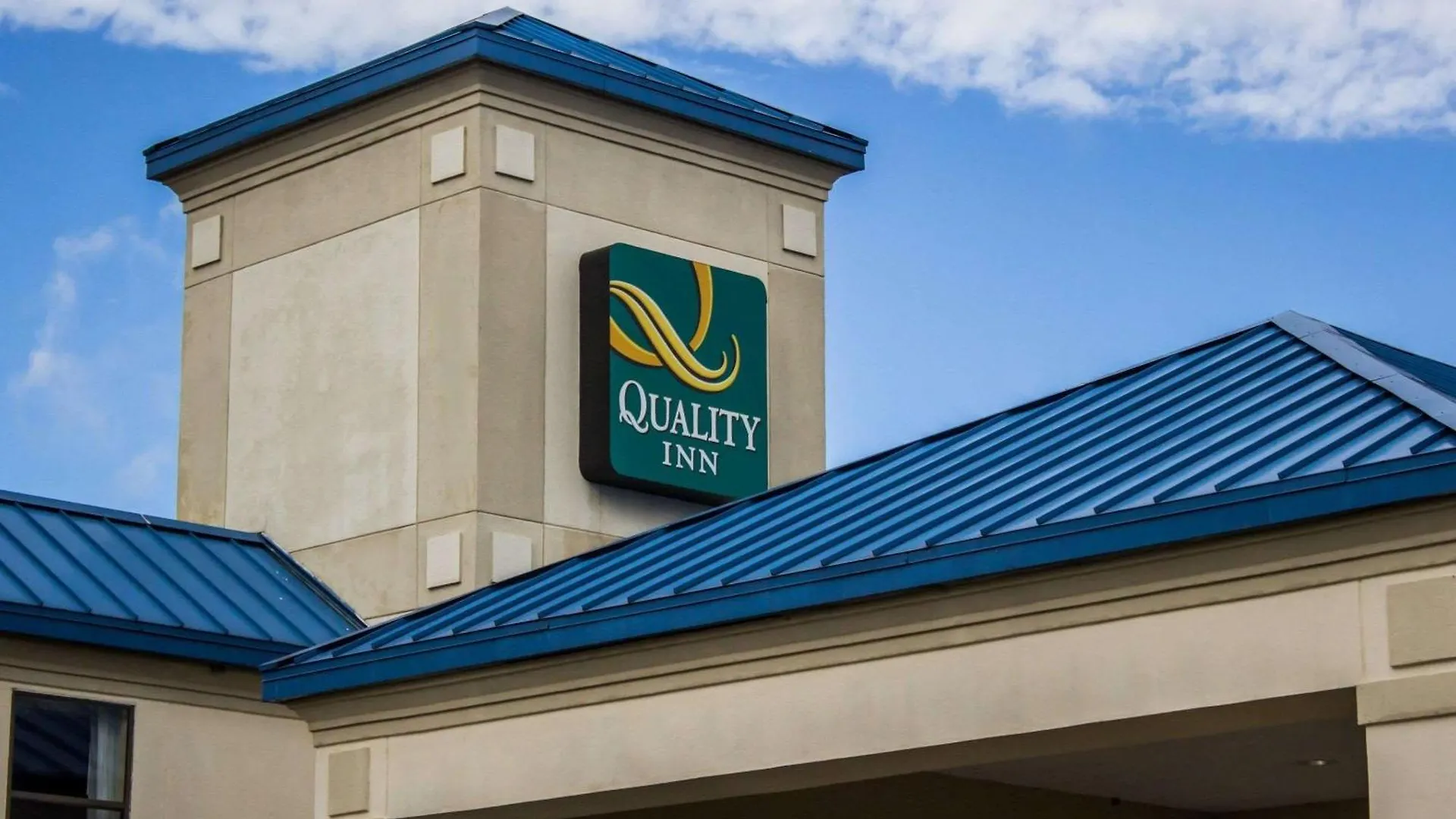
1. Quality Inn Fuquay Varina East
Show on map


 Check-infrom 15:00 until 23:59Check-outuntil 11:00
Just a few rooms left at the best rate!
fromUS$ 100
-
2. Sleep Inn Garner - Clayton
Show on map


 Check-infrom 15:00 until 23:59Check-outuntil 11:00
Just a few rooms left at the best rate!
fromUS$ 90
-
3. Comfort Inn & Suites Fuquay Varina
Show on map


 Check-infrom 15:00 until 23:30Check-outuntil 11:00
Hurry – almost gone at this price!
fromUS$ 105
Best Premium Stay
For travelers seeking a more elevated design experience in Research Triangle, Chapel Hill's downtown core offers the region's strongest combination of architectural quality, dining access, and urban convenience.
-
4. Ac Hotel By Marriott Chapel Hill Downtown
Show on map


 Check-infrom 15:00 until 23:59Check-outuntil 12:00
Rooms filling fast – secure the best rate!
fromUS$ 215
Smart Travel & Timing Advice
Research Triangle's peak hotel demand follows an academic and events calendar more than a tourist season. Spring (April-May) is the most congested period - graduation weekends at UNC, Duke, and NC State compress available inventory across all sub-markets simultaneously, pushing rates up sharply. Fall brings ACC football and basketball preseason activity, plus the NC State Fair in October, which fills Raleigh-area hotels fast. Booking 6 weeks ahead is the minimum safe window for any spring or fall stay; summer offers the most flexibility, with milder demand and occasional rate drops across the suburban corridor.
For most Research Triangle visits, a 2 to 3-night stay covers the practical needs of a university visit, conference, or business trip - longer stays are more common among biotech and pharma contractors rotating through the RTP (Research Triangle Park) campus. Last-minute bookings rarely pay off in this market; the corporate travel base keeps mid-week occupancy consistently high even outside peak seasons, meaning discounted rates are uncommon Monday through Thursday. Weekend stays in suburban properties like Garner and Fuquay-Varina tend to be the most price-accessible windows, as corporate demand drops on Fridays and Saturdays.